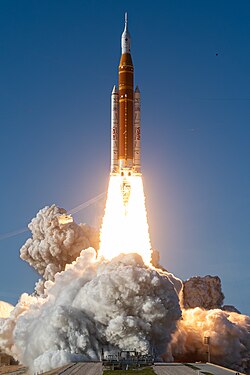
The NASA Artemis II astronauts are preparing for one of the most important space missions in recent history. This mission will send humans around the Moon for the first time in more than 50 years. The last time astronauts went this far was during the Apollo missions in the 1970s.
But Artemis II is not just about going back to the Moon. It also shows how the space industry is changing. This mission could be the last one built mainly by traditional aerospace companies, before private tech companies take a bigger role in future space missions.
Who Are the NASA Artemis II Astronauts?
The Artemis II crew includes four astronauts: Reid Wiseman, Victor Glover, Christina Koch, and Jeremy Hansen.

This team represents a new and more diverse generation of astronauts. Christina Koch will become the first woman to travel around the Moon, and Victor Glover will be the first Black astronaut to do so.
The mission is expected to last about 10 days. The astronauts will travel around the Moon and return to Earth without landing. The main goal is to test the spacecraft systems and make sure everything is safe for future missions.
What Makes Artemis II Special?
.jpg)
Artemis II is special because it is built mostly using traditional systems. The mission will use NASA’s Space Launch System (SLS) rocket and the Orion spacecraft.
These were developed with the help of long-established aerospace companies.
However, this may be the last Moon mission without strong involvement from Silicon Valley companies.
In future missions, private companies are expected to play a much bigger role.
For example, companies like SpaceX are already working with NASA on future Moon landing systems. This shows how the space industry is slowly moving from government-only programs to a mix of public and private efforts.
A Big Change in the Space Industry
In the past, space missions were controlled mainly by government agencies like NASA.
They worked with a small group of big contractors.
Now, things are changing fast. Private companies are becoming more important. They are building rockets, spacecraft, and even planning Moon and Mars missions.
This shift can make space travel faster and cheaper. Private companies also bring new ideas and innovation. Because of this, future missions after Artemis II may look very different from what we see today.
Why This Mission Matters
The NASA Artemis II astronauts are not just going on a journey, they are helping prepare for the future of human space travel. Their mission will test how humans can live and work in deep space.
The success of Artemis II will help NASA plan the next mission, Artemis III, which aims to land astronauts on the Moon again. It will also support long-term goals like building a human presence on the Moon and eventually sending people to Mars.
Conclusion
Artemis II is more than just a Moon mission. It is a turning point. It connects the past, when space missions were led only by governments, to the future, where private companies will play a big role.
In simple words, the NASA Artemis II astronauts are not just exploring space, they are helping shape the future of how humans travel beyond Earth.