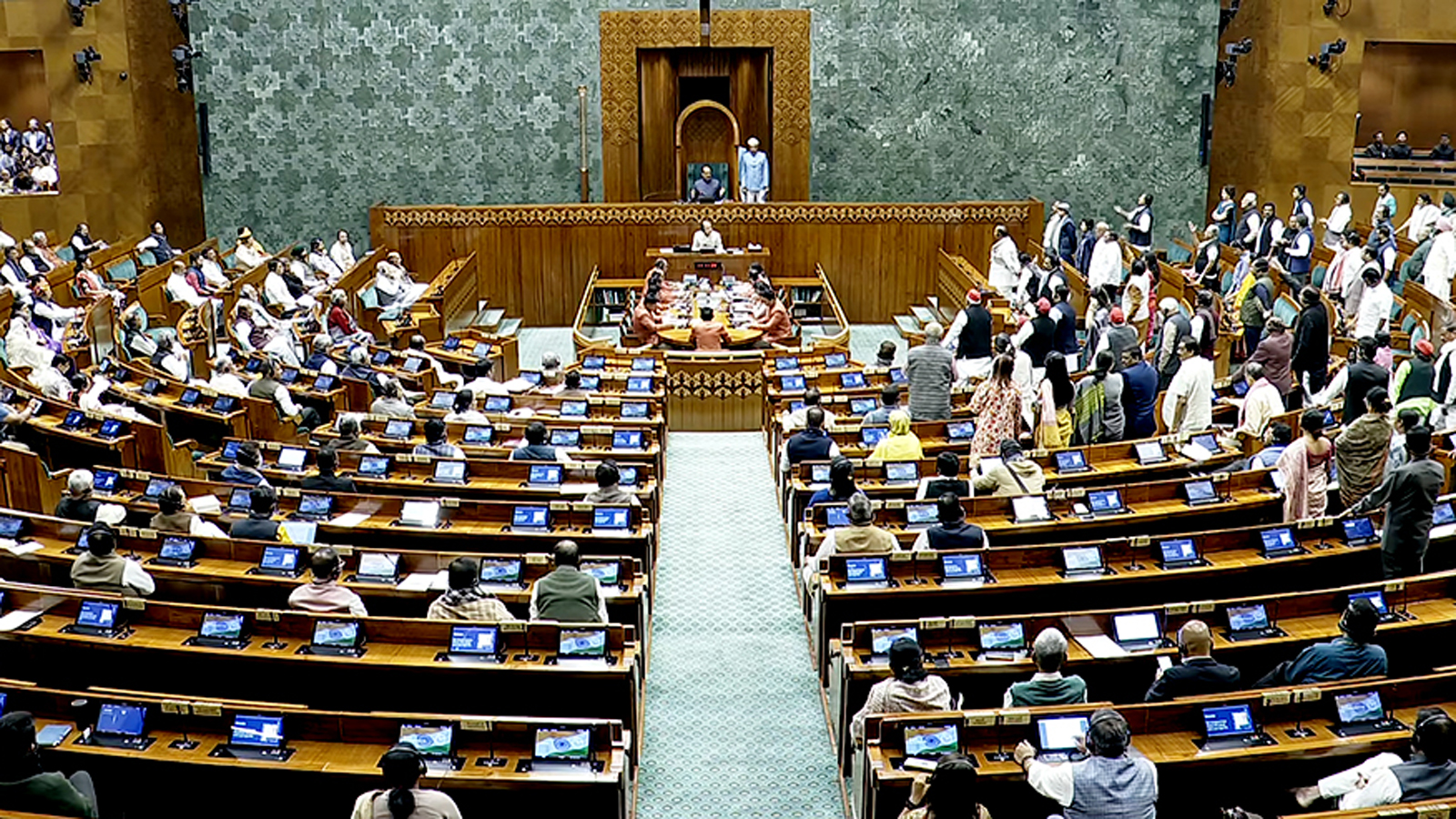
The Delimitation Bill is related to the process of redrawing electoral boundaries in India. This process is called delimitation, and it ensures that each constituency has almost equal population so that every vote has equal value. In India, this work is handled by the Delimitation Commission of India, which is an independent body. Its decisions are final and cannot be challenged in court.
Delimitation is important for fair elections, especially in a large and growing country like India. Over time, populations change, cities expand, and migration increases. Without updating constituency boundaries, some areas may become overrepresented while others remain underrepresented in the Lok Sabha.
Why Delimitation Bill 2026 is Important
The current discussion around the Delimitation Bill 2026 is happening because the freeze on changing Lok Sabha seats will end after 2026. This freeze was introduced in 1976 to encourage population control and was later extended.
Since then, India’s population has grown unevenly across states. Northern states like Uttar Pradesh have seen faster growth compared to southern states. However, the number of Lok Sabha seats has remained the same for all these years.
After 2026, a new delimitation exercise may:
increase the total number of Lok Sabha seats, change how many seats each state gets, and redraw constituency boundaries across the country. This could significantly change political power at the national level.
Political Reactions and Leaders’ Statements
The issue of delimitation has already created strong political reactions. Leaders from southern states have raised concerns that they may lose influence in Parliament despite better population control.
Tamil Nadu Chief Minister M. K. Stalin has said that states which controlled population growth should not be “punished” by getting fewer seats. He has stressed that fairness must be maintained in any delimitation exercise.
On the other hand, leaders from northern states believe representation should be based on population. They argue that states with more people should naturally have more seats in the Lok Sabha.
Union Home Minister Amit Shah has stated that delimitation will be carried out as per constitutional rules after 2026 and that the government will consider all concerns carefully.
Young leaders like Tejasvi Surya have also spoken about the need for fair and updated representation, especially in fast-growing urban areas. He has pointed out that cities are expanding quickly, and constituency boundaries must reflect these changes to ensure proper governance.
Impact on UP and Future of Indian Politics
States like Uttar Pradesh are expected to gain the most from delimitation because of their large population. If seats are increased, UP could get even more representation in the Lok Sabha, which will strengthen its role in national politics.
This shift could change how governments are formed in India. Political parties may focus even more on high-population states, and policy decisions could also reflect these changes.
At the same time, southern states may push for a balanced approach so that their political voice remains strong. This makes the Delimitation Bill 2026 not just a technical process, but a major political turning point.
In simple terms, delimitation will decide who gets how much power in Parliament. As 2026 approaches, it is expected to become one of the most important and debated issues in Indian politics.