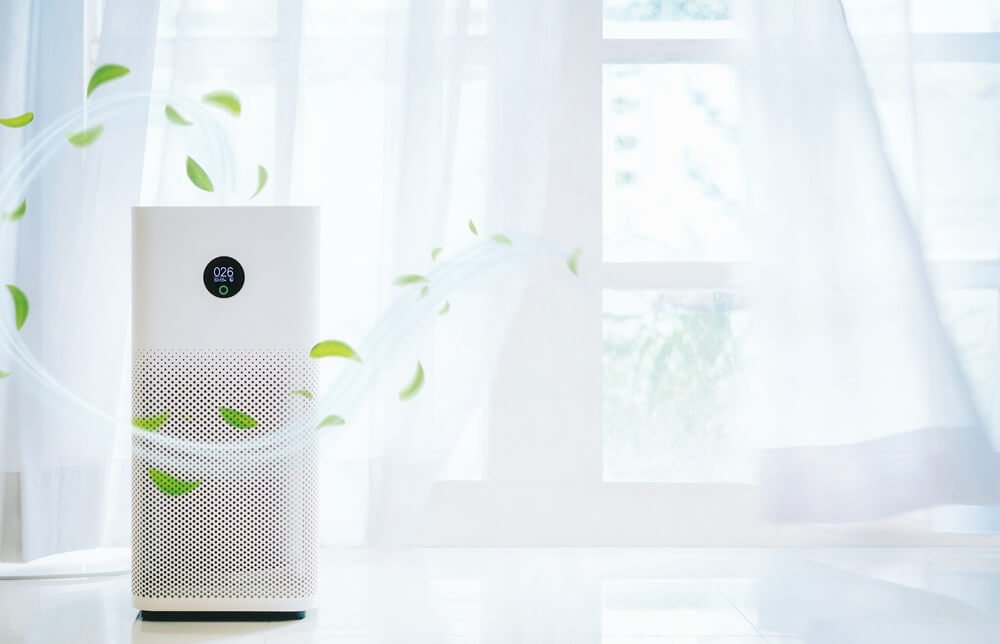
Choosing the right air purifier can feel confusing because there are so many models and features in the market. But a good air purifier can make a big difference to your health. It helps remove dust, smoke, pollen, pet hair, bacteria, viruses, and harmful chemicals from the air you breathe.
Here are 10 simple and practical tips to help you buy the best air purifier for your home or office.
1. Check the Room Size
Before you buy any air purifier, always check the area of your room.
If the purifier is too small, it will not clean the air properly.
If your room is large, choose a purifier with a high coverage area.
Tip:
Small rooms need 150–300 sq ft coverage.
Bigger rooms need 400 sq ft or more.
2. Always Choose a HEPA Filter
A True HEPA filter is the most important part of an air purifier.
It can remove 99.97% of dust, smoke, allergens, and tiny particles.
Avoid "HEPA-like" or "HEPA-type" filters.
Always choose True HEPA for best results.
3. Look for an Activated Carbon Filter
This filter helps remove smells, smoke, chemicals, and harmful gases.
If you have cooking smells, pollution, cigarette smoke, or pets,
then activated carbon is a must.
4. Check the CADR Rating
CADR means Clean Air Delivery Rate.
A higher CADR means the purifier cleans the air faster.
For example:
-
200–300 CADR → Small rooms
-
350+ CADR → Medium rooms
-
450+ CADR → Large rooms or office spaces
5. Make Sure the Noise Level Is Low
Air purifiers run for many hours, so they should not be too loud.
Choose a model with 30–50 dB noise for bedroom or office use.
Silent or sleep mode is very helpful at night.
6. Check Filter Replacement Cost
Filters need to be changed every 6–12 months.
Some brands have very expensive filters.
Always check:
-
Filter price
-
Filter lifespan
-
Availability of filters in your city
This helps avoid high long-term cost.
7. Look for Smart Features (Optional but Useful)
Some smart features make your life easier, such as:
-
Air quality indicator
-
Auto mode
-
Sleep mode
-
App control
-
Filter change alert
-
Timer settings
These features are not compulsory, but they improve comfort.
8. Avoid Ozone-Producing Purifiers
Some purifiers release ozone, which is harmful for health.
Avoid models using:
-
Ionizers
-
Ozone generators
-
UV-C purification (if not sealed properly)
Always check if the device is ozone-free and safe to use indoors.
9. Check Energy Consumption
Since purifiers run for long hours, choose one that uses less power.
An energy-efficient device helps reduce your electricity bill.
10. Read Reviews and Compare Brands
Finally, compare different brands and models.
Read real customer reviews to understand:
-
Performance
-
Noise level
-
Durability
-
Filter life
-
After-sales service
A trusted brand with good service is always a better choice.
Final Thoughts
Buying an air purifier is an investment in your health.
If you choose the right one, it will protect you from pollution, dust, allergies, and harmful particles every single day.
Just remember these simple points:
-
Choose the right size
-
Pick True HEPA + Activated Carbon filters
-
Check CADR
-
Make sure it is quiet and energy-efficient
-
Compare costs and reviews
With these tips, you can confidently pick the perfect air purifier for your home or office.