Ranchi: In a
significant advancement in cardiac surgical care in Jharkhand, Bhagwan Mahavir
Manipal Hospitals, Ranchi has successfully performed its first Total
Arterial Coronary Artery Bypass Grafting (CABG), marking an important
milestone in delivering advanced, long-lasting heart treatment in the region.
The complex surgery was performed
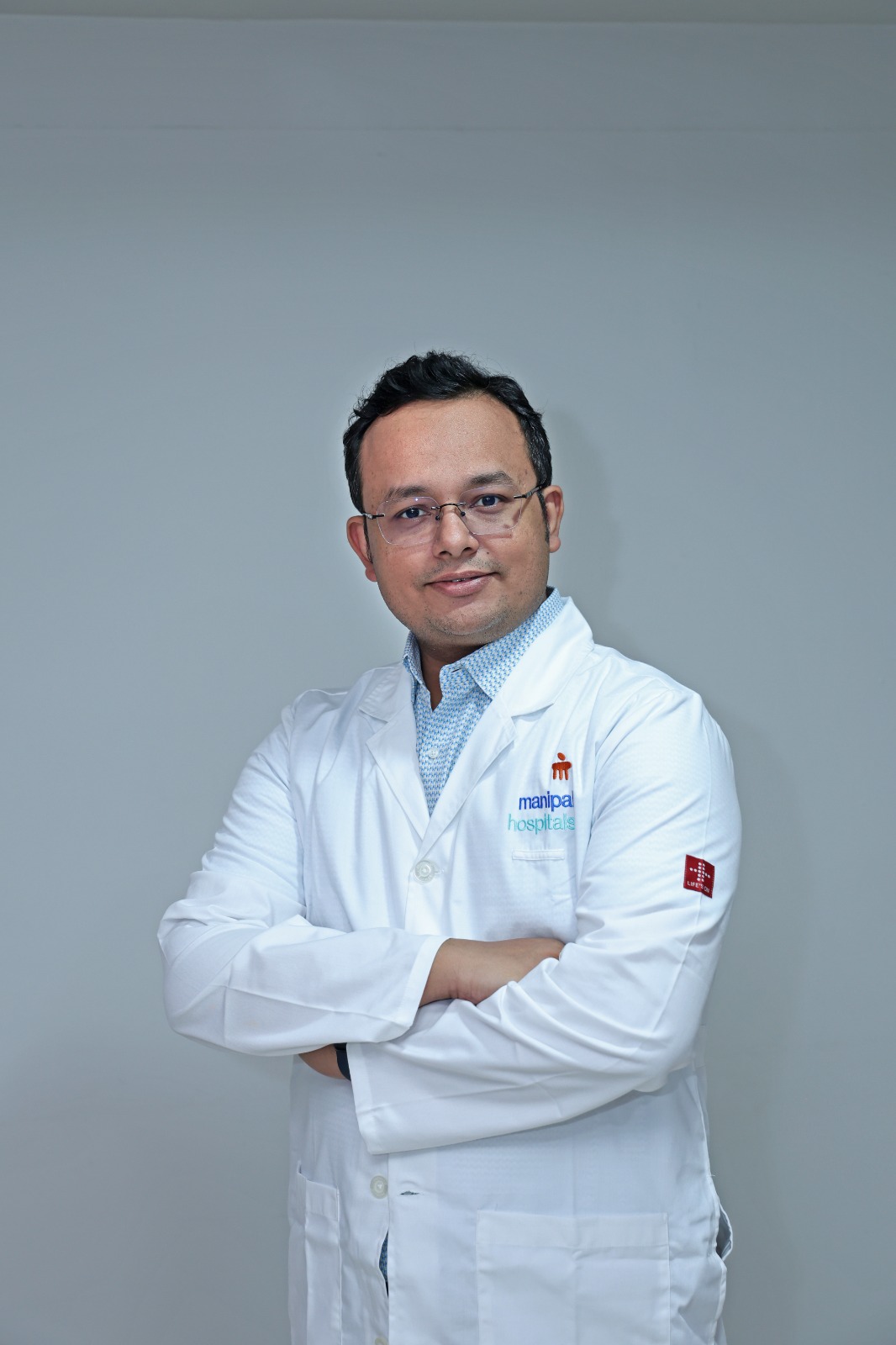
by Dr. Arumit Palit, Consultant – Cardiothoracic and Vascular Surgery,
on a 48-year-old male patient who had suffered a massive acute heart attack.
The patient was initially admitted to a hospital in Bokaro, where
emergency angiography and life-saving balloon intervention were performed to
stabilise his condition. Due to the severity of his coronary artery disease, unusually
advanced for his age, he was referred for definitive surgical management in Ranchi.
When the patient arrived, his
heart function had dropped significantly, with pumping efficiency reduced to
35–40% following extensive damage from the heart attack. After careful
monitoring and stabilisation over several days, the surgical team performed an
advanced off-pump Total Arterial CABG, completing four bypass grafts using
arterial conduits instead of the traditionally used veins.
Speaking about the procedure, Dr.
Arumit Palit said, “Total arterial CABG offers a significant long-term
advantage, especially for younger patients. Arterial grafts last longer, remain
less prone to blockage, and provide better blood flow due to their natural
biological properties. This approach helps patients avoid repeat bypass surgery
for many years. Successfully performing total arterial grafting in a patient
recovering from an acute heart attack reflects the advanced surgical capability
and comprehensive cardiac care available here.”
In this case, the team of surgeons
used arteries from the chest and the patient’s arm to perform the bypass.
Despite the higher risk of operating soon after a major heart attack, the
surgery was completed off-pump, without using a heart-lung machine or other
mechanical support, enabling safer recovery and faster healing.
The patient made an excellent
recovery and was discharged on the fifth day after surgery, walking
independently. Follow-up evaluation showed remarkable improvement in cardiac
function, with heart pumping returning to approximately 60%, which is within the
normal range.