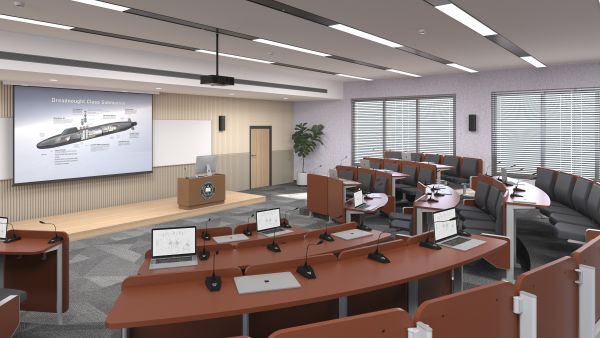
Mumbai: Interio by Godrej, a leading furniture brand
from the Godrej Enterprises Group, has unveiled its latest whitepaper, “Beyond
the Screens: The Rise of Smart Learning Spaces,” examining how schools
across India are adopting technology-enabled learning and what is required to
create effective smart learning environments. Developed by the Workspace &
Ergonomics Research Cell at Interio by Godrej, the whitepaper explores how
learning environments that integrate technology, ergonomic furniture and
flexible classroom layouts can enhance student engagement, collaboration and
learning outcomes. The research draws insights from a diverse group of students
across disciplines, age group (19-28), regions, colleges and universities,
providing a comprehensive understanding of evolving learning needs and the role
of technology in shaping modern educational environments.
Commenting
on the findings, Sameer Joshi, Senior Vice President and Head of B2B
Business, Interio by
Godrej said, "India's
education ecosystem spans over 14.71 lakh schools and serves more than 24.69
crore students[1],
making the quality of learning environments critical to future learning
outcomes. Government investments of ₹1.47 lakh crore under the Smart Cities
Mission have accelerated the adoption of technology-enabled classrooms. The
classroom is no longer just a space for delivering information; it is becoming
an environment where collaboration, creativity and critical thinking are
nurtured. While schools have made significant progress in adopting digital
technologies, the next phase of transformation lies in creating learning spaces
that integrate technology with thoughtful design, ergonomics, flexibility and
comfort. At Interio by Godrej, we believe the future of education depends not
only on smart devices but on smart learning spaces that enable teachers to teach
better and students to learn better."
The
whitepaper highlights the transformation of classrooms into technology-enabled
learning environments. It reveals that 100% of teachers surveyed believe
technology improves student engagement and understanding, while 91% have
received formal technology training, indicating increasing readiness among
educators to enhance digital teaching methods. The research also found that all
surveyed schools have already integrated technology into classrooms, with 75%
of teachers describing classroom technology as seamless and intuitive. However,
despite widespread adoption, technology continues to be used primarily for
classroom instruction, indicating significant opportunities to expand its use
for assessments, analytics, structured feedback and personalised learning.
The
study also highlights the role of classroom design in improving learning
outcomes. It found that 94% of teachers who can reconfigure classroom furniture
report being more effective, while 79% of students prefer learning environments
where seating can be rearranged for collaboration or focused study. These
findings show that flexible furniture, ergonomic seating, effective acoustics
and well-planned audio-visual infrastructure are essential complements to
technology in creating engaging learning environments.
Schools equipped with smart classrooms have recorded an average 22% increase in enrolment across 19 Indian cities, highlighting the impact of technology-enabled education on accessibility and student participation. The whitepaper also states that technology alone cannot transform learning environments. Screen visibility, acoustics, classroom layout, ergonomic furniture, reliable maintenance and integrated learning spaces are equally important in ensuring technology delivers meaningful educational outcomes.