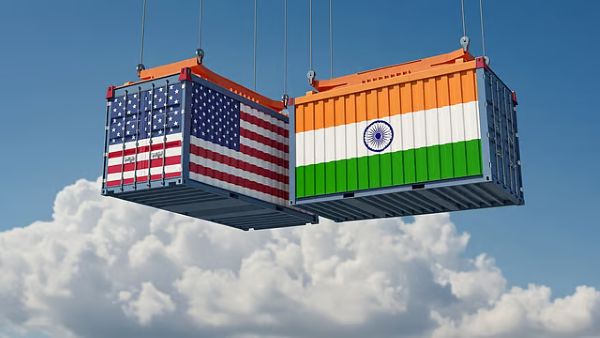
MUMBAI: The US Administration is increasingly utilizing strategic uncertainty and incomplete information as core bargaining instruments across major global domains, including NATO, tariffs, and bilateral trade talks with key partners like India. According to the latest research report from State Bank of India (SBI) Ecowrap, this approach forces counter-parties to constantly choose between conceding, waiting, testing, or counter-escalating. While this tactic secures short-term leverage for the US, it carries a long-term cost of trust depreciation among international allies and markets, who eventually learn to discount future signals.
The report highlights that the US calibrates its strategy based on the level of counter-leverage a nation possesses. While China commands highly concentrated leverage through critical minerals, export controls, and supply-chain pressures, India occupies a crucial position between NATO allies and Beijing. India possesses significant leverage of its own, driven by its massive market scale, technology talent, pharmaceutical strength, defense procurement potential, energy optionality, diaspora influence, and unique value as an Indo-Pacific counterweight.
In the wake of ongoing India-US trade negotiations, SBI Research suggests that India's optimal strategy is to wear down Washington's opening position without damaging the core bilateral relationship. The analysis recommends keeping communication channels open and warm, avoiding public escalations, and offering limited, reversible proposals. By waiting for initial US demands to collide with domestic market costs and alliance fatigue, India can bargain late in the cycle when Washington's reservation price becomes clearer and India’s long-term value is more visible.
The report concludes that India must be prepared to test the resolve of the US Administration, accept potential short-run follow-through costs, and signal its steadfast position for the long game. Concurrently, the global economic landscape continues to navigate these geopolitical ripples. Despite a memorandum of understanding signed on June 17 between the US and Iran aimed at ending regional conflict, shipping data through the Strait of Hormuz indicates only a gradual and uneven resumption of traffic, with LNG and fertilizer-related shipments remaining noticeably absent.